
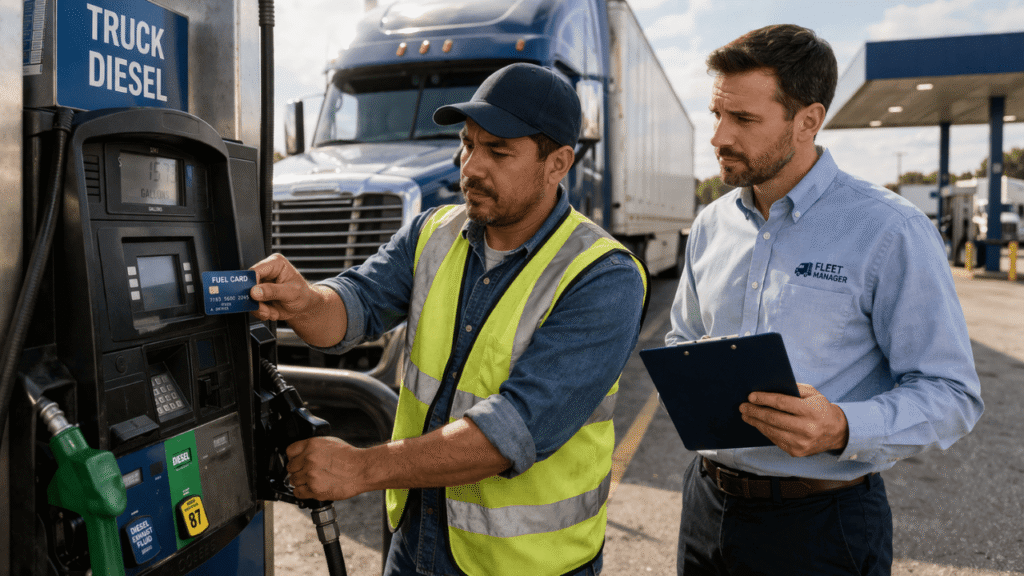
Training drivers on fuel card usage is one way to protect fuel budgets and improve fleet control. The fuel card makes daily work easier for drivers. Only when they know how to use it properly. Without proper training, small mistakes can lead to unauthorized purchases, missing records, budget issues, and fraud risks.
That is why every fleet should make fuel card training a part of what they do every day, not something they do once. When drivers know the rules of the fuel card, understand how the fuel card system works, and see how their actions affect the fuel card and the business, they make choices while driving.
Table of Contents
Why Fuel Card Usage Training Matters
Many fleet managers think drivers will figure out how to use fuel cards on their own. This can be a costly mistake. If drivers do not receive training on how to use fuel cards, you might see problems such as unauthorized purchases, fuel theft, or drivers sharing cards. You might also see odometer readings overspending at non-preferred stations and failed transactions that leave drivers stranded.
Good training for fleet drivers helps to avoid these problems. It sets expectations, reduces mistakes, and helps to create a culture of accountability among drivers from the very beginning.
Step 1: Create a Clear Fuel Card Policy
Before training your drivers, you should have a written fuel card policy. Drivers are more likely to follow rules if they are written down and easy to understand. Your policy should include things like:
- Approved fuel types
- Daily or per-transaction spending limits for drivers
- Approved merchants
- How to enter vehicle and odometer data at the pump
- What to do if a card is declined
- Rules about sharing cards and using them for purchases
Make sure the language is simple and easy to understand. Avoid using terms that might be confusing. If a driver has to read a sentence to understand it, you should rewrite it. A clear policy is the foundation of fleet fuel procedures.
Step 2: Hold a Hands-On Orientation Session
Having a written policy is not enough. You also need to show your drivers how to use the fuel card in person. Hold an orientation session before your drivers start driving.
Go over things like how to activate and carry the card safely which fuel stations are part of the network how to enter the required PIN or driver ID how to log the odometer correctly at every fill-up how to request a receipt and who to call if the card is lost, stolen or not working.
Do a demo at a fuel station. Watching someone use the card once is more helpful than reading about it three times. This kind of training helps drivers feel confident and reduces mistakes during their week on the job.
Step 3: Use Digital Training Tools
Not all drivers attend training at the same time or location. That is where digital tools help. For example, a short video or a guide that drivers can view on their devices can provide the training they need for fuel cards whenever they want.
To train drivers, you can make a training module. This module can include a video that shows drivers how to use the fuel card step by step. It can also include a section with frequently asked questions that answer common problems drivers have with fuel cards. You can add a test to make sure drivers understand how to use the fuel card. Finally, you can have drivers sign off digitally to confirm they have completed the fuel card training.
Digital tools are also useful for driver training when the rules for buying fuel change. You need to update the information, and all drivers will automatically receive the fuel card rules. This way, all drivers will know the rules for fuel cards. Digital tools make it easy to keep all drivers up to date on the rules for fuel cards.
Step 4: Set Spending Controls and Alerts
Training is not a one-time event. You need systems in place to remind drivers of the behavior after training is complete. Most fuel card providers allow you to set controls and alerts that support driver fuel guidelines automatically.
- You can use your card platform to set spending limits for each transaction.
- You can restrict purchases to fuel only or to approved categories.
- You can lock cards to days or time windows.
- You can receive alerts when a card is used outside of normal patterns.
- You can flag transactions with missing odometer data.
These controls act as a safety net. If a driver makes a mistake, the system will catch it early. This way, small problems do not become big ones.
Step 5: Review Reports and Follow Up Regularly
Data is your friend when it comes to managing your fleet. Review your fuel card reports monthly. Look for things like small purchases that might indicate misuse. These low MPG entries suggest odometer errors, purchases at unapproved locations or outside business hours, and a high transaction frequency that does not match route mileage.
When you see a problem, address it directly with the driver, be constructive and helpful. Most problems are caused by confusion, not intentions. A quick conversation with the driver can fix the problem without any action.
Document every conversation you have with a driver. If a problem continues, you will have a record to refer back to. Holding drivers accountable works best when it is consistent and fair across your fleet.
Step 6: Refresh Training Annually
Fleet operations change over time. Fuel card providers update their systems. Fuel purchase protocols evolve. Build a refresher into your fleet driver training calendar to keep drivers up to date.
A 20-minute annual refresher is all it takes to review policy updates, address mistakes from the past year, and remind drivers of best practices. You can pair it with your safety review to make things more efficient.
Help Your Drivers Use Fuel Cards the Right Way
Training drivers on fuel card usage is not just about teaching them how to pay for fuel. It is about building better habits, stronger security, cleaner records, and better cost control across the fleet. A clear policy, practical training, regular coaching, and the right technology can make fuel card programs far more effective.
Start with one step today. Even a simple written policy and a 30-minute team walkthrough are a stronger foundation than assuming drivers will figure it out on their own.
Reach out to us at getfuelcard.com, call +1 905-901-1601, or email info@getfuelcard.com if you need trucking-related services. Whether it is fuel management support, compliance help, or fleet efficiency solutions, we are here to help.