
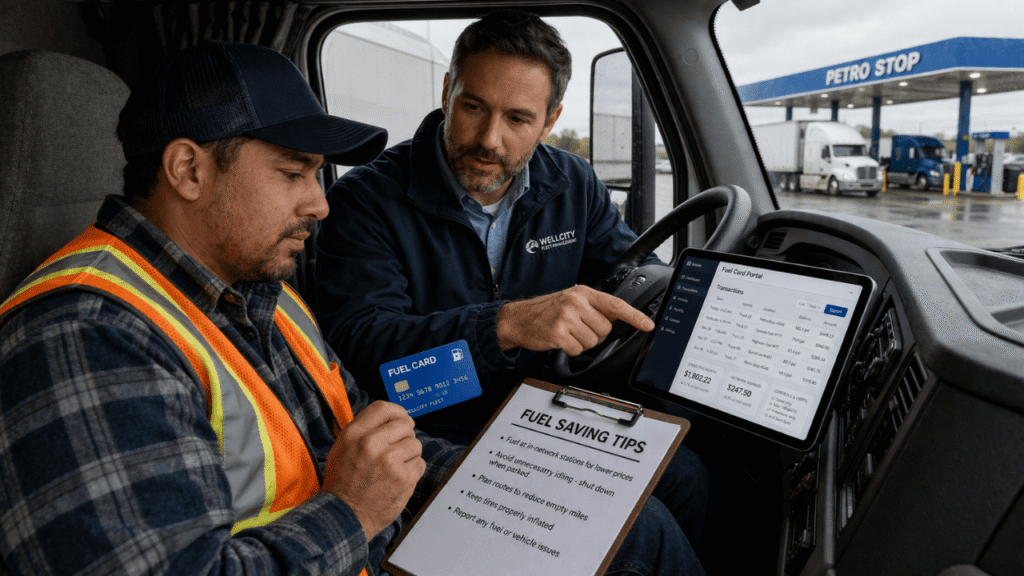
Fuel is almost always the biggest line item in a fleet budget. It can account for 25 to 30 percent of all operating costs, and for most fleets, much of that money could be saved. The only thing that makes fleets that control fuel costs different from those that pay them is their strategy. That is why advanced fuel management matters so much today.
The goal is not only to spend less on fuel. The real goal is to use fuel smarter across the whole fleet. With the right system, drivers, routes, and vehicles all work together more efficiently.
Table of Contents
Advanced Fuel Management Techniques for Fleets
You are flying blind if you are still tracking fuel on spreadsheets. A fuel management system links hardware and software to monitor usage in real time, identify issues, and provide actionable data.
With good systems, you can set goals, track how well each driver and vehicle is performing, set automatic maintenance reminders based on odometer readings, and generate detailed reports without doing much work. Compared to cars that aren’t taken care of, cars that are kept up with these systems can get up to 40% better gas mileage.
Most advanced fuel management strategies start by moving from manual tracking to a proper system. It is the base for everything else.
Use Fuel Cards With Smart Controls
Without controls, a fuel card is just a way to pay. A fuel card with the right controls can help you manage your fuel use. Set a limit on how much each driver can spend at the pump to prevent overspending. Lock cards to approved fuel stations to avoid exceeding your agreed-upon rates. Limit cards to gas purchases so company money doesn’t go toward snacks and other personal items. Put time limits on cards so they only work during certain hours.
You can also automatically flag transactions that exceed a vehicle’s tank capacity. This stops both accidental overfills and planned misuse from happening again. These controls, along with regular reviews of your statements, let you see every drop of fuel your fleet buys very clearly.
Match Vehicle Size to the Job
One of the best ways to manage fuel is to make sure your fleet is the right size. Every time you drive a heavy-duty truck on a route that a mid-size van could handle, you waste gas. Look closely at what each vehicle really carries and how far it goes. The switch pays off quickly in fuel savings if a smaller vehicle can do the job without losing performance. For example, switching from a one-ton truck to a three-quarter-ton truck can make a big difference over the life of your fleet without changing what your drivers can do.
Check whether you have more cars than you need at the same time. Extra cars that aren’t used much still cost money for gas, insurance, registration, and upkeep. Cutting down your fleet to the right size lowers all of those costs at once.
Make Tire Pressure and Vehicle Maintenance Non-Negotiable
When tires are underinflated, they make it harder for the car to roll, which forces the engine to burn more fuel to keep the same speed. A tire that is always low can lower fuel economy by about 3%. That adds up to a real number over the course of a year for a whole fleet.
Make it a rule that drivers must check tire pressure before every trip. Give each car an air pressure gauge, so there is no reason not to.
Aside from tires, stick to a regular maintenance schedule. Changing the oil, replacing the air filter, aligning the wheels, and checking the fluids all affect how hard the engine works. A well-maintained engine uses less gas. That’s all there is to it.
Cut Unnecessary Weight and Reduce Drag
Extra weight uses more gas. Adding 100 pounds to a car can noticeably lower its efficiency. Check what your drivers regularly carry. Take out tools, equipment, or supplies that you don’t use on most jobs.
Aerodynamics are also important, especially for bigger cars. When dirt and grime build up on a truck, it doesn’t work as well in the air. Washing your car once or twice a month keeps it cleaner and helps it use less gas. In the winter, snow and ice can make a car weigh more than 100 pounds. Taking it off before you drive is a simple habit that makes driving safer and saves gas.
Aerodynamic add-ons like roof caps reduce drag and boost mileage for box trucks and trailers without costing much.
Coach Drivers on Fuel-Efficient Habits
Almost anything else has less of an effect on fuel use than how a driver drives. Driving smoothly and steadily uses less gas than speeding, hard braking, idling for no reason, and speeding up quickly.
Fleet vehicles in the US waste about 800 million gallons of diesel every year just by idling when they don’t have to. That number is mind-boggling, and driver coaching can directly lower it.
Make a simple coaching plan based on the most important habits: speeding up gradually, using cruise control on highways, not idling when parked, and staying within speed limits. Use your telematics data or fuel management system to see how things have gotten better over time. Drivers’ behavior tends to change when they see their own numbers.
Optimize Routes and Fuel Station Choices
Most people don’t realize that where and when your drivers fill up can have a big impact on your bottom line. Gas prices can vary widely from one station to the next, sometimes by 10 to 50 cents per gallon. Directing drivers to lower-cost stations in your approved network can save significant money at scale.
Route planning also reduces fuel use by avoiding unnecessary miles. Stay away from busy areas during rush hour, combine stops strategically, and use routing tools that factor in fuel costs along with distance and time. If your fleet is large enough, consider fueling it on-site. Buying fuel in bulk and keeping it on-site lets you control the price you pay and eliminates the problem of gas prices changing at the pump.
Integrate Your Tools for a Complete Picture
Telematics, fuel cards, and fleet management software each provide pieces of the puzzle. You can see the whole picture when you put them together.
With connected systems, you can compare GPS data with fuel transactions to identify suspicious purchases, automatically collect odometer readings, and monitor driver behavior and fuel use in a single view. That level of visibility makes it much easier to spot problems early and address them right away.
Ready to Improve Fuel Management?
There is no one-size-fits-all solution for advanced fuel management. There are the right systems, controls, and habits that are used repeatedly by every driver and every vehicle.
Advanced Fuel Management gives fleets a better way to control spending, improve visibility, and run more efficiently. When you combine better technology with better habits, you can reduce waste, improve driver performance, and build a stronger operation over time.
Reach out to us at getfuelcard.com, call +1 905-901-1601, or email info@getfuelcard.com if you need trucking-related services. Whether it is fuel management support, compliance help, or fleet efficiency solutions, we are here to help.