
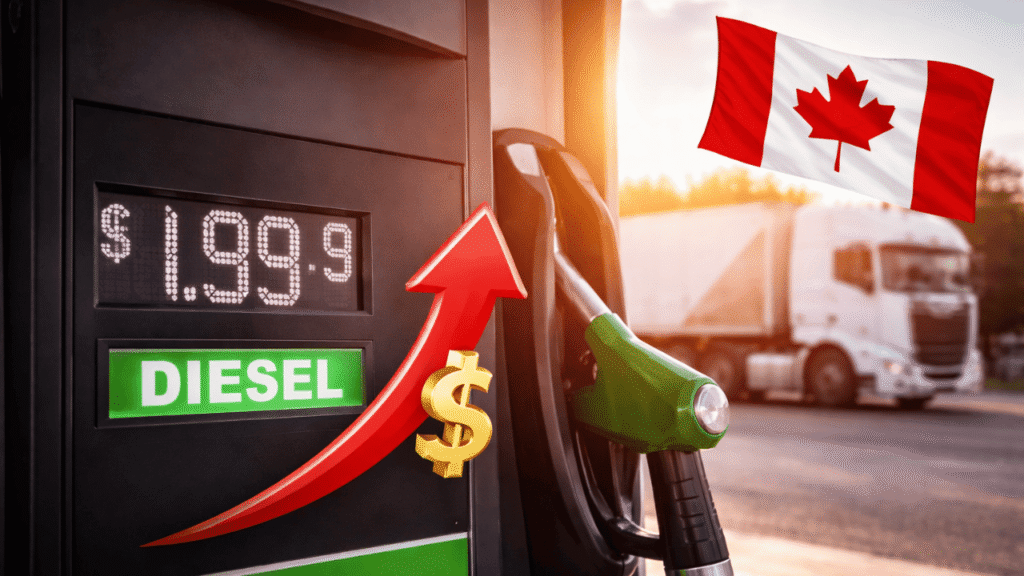
Fuel costs are among the largest operational expenses for the trucking industry. When diesel prices change, the impact is felt across supply chains, freight rates, and transportation businesses. Understanding Canada fuel price trends is essential for truckers and fleet managers who want to manage costs and plan their operations effectively.
Diesel prices fluctuate due to global oil markets, regional supply conditions, and economic factors. These changes influence everything from shipping rates to daily operating expenses. By monitoring fuel price trends in Canada, trucking companies can make smarter fueling decisions and prepare for future cost changes.
Let’s explore what’s driving diesel price changes in Canada and what they mean for truckers.
Table of Contents
Canada Fuel Price Trends for Truckers
In recent years, diesel fuel prices for truckers in Canada have been influenced by a mix of global and domestic factors. Canada relies heavily on global crude oil markets, which means international events can directly affect diesel prices at the pump.
The Impact of Global Oil Markets
Crude oil is the main raw material used to produce diesel fuel. When global oil prices rise, diesel prices usually follow suit. Political instability, production constraints, and international demand can all influence crude oil prices.
As a result, Canadian diesel prices often fluctuate throughout the year. Truckers may notice significant differences in fuel costs depending on global supply conditions or seasonal demand.
Regional Fuel Price Differences
Fuel prices in Canada can vary significantly between provinces and regions. Factors such as transportation costs, taxes, and local supply infrastructure all play a role.
For example, diesel may cost more in remote areas where fuel must be transported long distances. On the other hand, regions with strong refining capacity may offer slightly lower prices.
These regional differences are an important part of Canada’s fuel market trends, as they influence where and when truckers choose to refuel.
Seasonal Demand Changes
Seasonal demand also affects diesel prices. During colder months, fuel demand increases due to heating requirements and transportation needs. This higher demand can cause temporary increases in diesel prices.
Similarly, summer travel seasons may lead to higher fuel consumption across transportation industries. These patterns contribute to ongoing changes in Canada’s fuel price trends.
How Fuel Prices Affect Trucking Companies in Canada
Fuel price fluctuations can have a major impact on transportation businesses. Understanding how fuel prices affect trucking companies in Canada helps fleet managers prepare for cost changes and protect profit margins.
Rising Trucking Fuel Costs
When diesel prices increase, trucking fuel costs rise almost immediately. Since fuel is required for every trip, even small price increases can have a noticeable effect on operating budgets.
For example, a fleet that consumes thousands of liters of diesel each week may see expenses increase significantly during periods of high fuel prices. This can affect pricing strategies, freight contracts, and overall profitability.
Many companies adjust freight rates or fuel surcharges to offset these costs.
Increased Trucker Fuel Expenses
Independent drivers and owner-operators often feel the impact of rising diesel prices even more directly. Higher fuel costs can reduce profit margins and make it harder to maintain a stable income.
As trucker fuel costs rise, drivers may need to find ways to reduce costs by choosing more fuel-efficient routes or refueling at stations with better diesel prices.
Some drivers also rely on fuel card programs or discount networks to help offset rising fuel expenses.
The Importance of Fuel Economy for Fleets
When diesel prices rise, improving fleet fuel economy becomes even more important. Small improvements in fuel efficiency can lead to meaningful savings over time.
Fleet managers often focus on strategies such as:
- Maintaining vehicles regularly
- Monitoring driver behavior
- Optimizing delivery routes
- Reducing idle time
These practices help fleets maximize fuel efficiency while minimizing the impact of rising diesel prices.
Strategies Truckers Use to Manage Fuel Price Changes
Because fuel price trends in Canada can change quickly, trucking companies often develop strategies to reduce financial risk.
Monitoring Fuel Market Trends
Many fleet managers track fuel market trends in Canada to anticipate price changes. Monitoring fuel markets allows companies to adjust fueling strategies and plan routes that minimize fuel costs.
Some fleets use fuel management software or reporting tools to analyze diesel spending and identify cost-saving opportunities.
Using Fuel Discount Programs
Fuel discount programs and fuel cards are commonly used across the trucking industry. These programs provide access to reduced diesel prices at participating truck stops and fueling stations.
Over time, these savings can help offset the effects of rising fuel prices.
Planning Routes Carefully
Route planning plays a major role in controlling fuel costs. Drivers who refuel in high-priced areas may pay significantly more for diesel than those who plan stops at lower-cost stations.
Careful route planning allows fleets to avoid unnecessary fuel expenses while improving overall efficiency.
Why Understanding Fuel Trends Matters for Truckers
Fuel prices are constantly changing, and those changes affect every part of the trucking industry. By monitoring fuel price trends in Canada, truckers and fleet managers can make better decisions about fueling strategies, route planning, and budgeting.
Being aware of diesel market fluctuations also helps transportation companies prepare for unexpected cost increases. Businesses that track fuel trends regularly are better positioned to adapt and remain competitive.
While truckers cannot control global fuel markets, they can take steps to manage fuel expenses and improve efficiency.
Stay Prepared for Changing Fuel Prices
Fuel price fluctuations are a reality for the trucking industry. By understanding fuel price trends in Canada, truckers can anticipate cost changes and adjust their operations accordingly.
Tracking diesel prices, improving fuel efficiency, and using smart fueling strategies can help fleets reduce expenses and maintain stable operations even during periods of rising fuel costs.
Need Help Finding Better Fuel Savings?
Reach out to us at getfuelcard.com, call 905-901-1601, or email hello@getfuelcard.com if you’re looking for better fuel card solutions. Whether you want improved diesel discounts, better fuel tracking, or smarter fleet payment tools, our team can help you manage fuel expenses more effectively.