
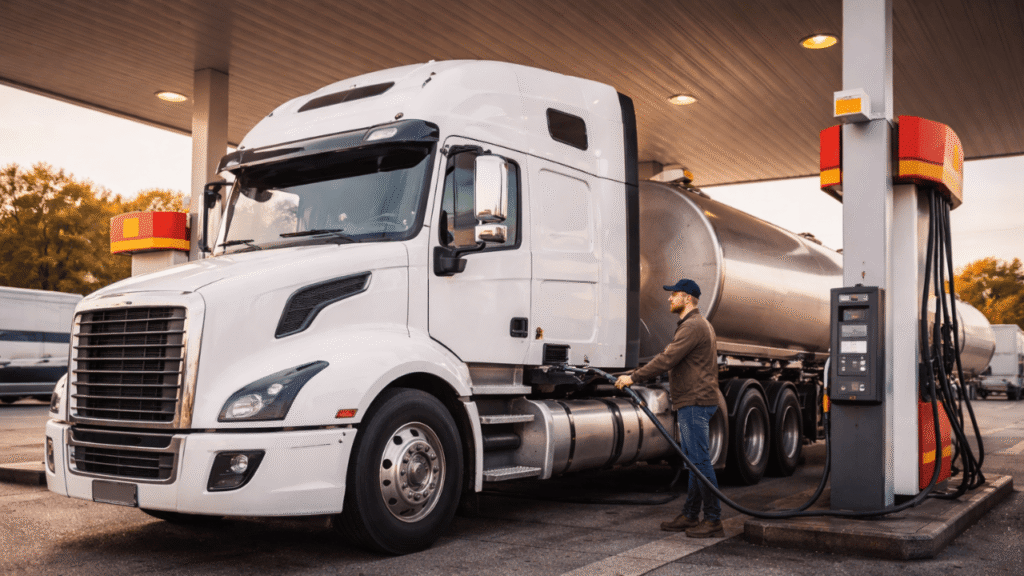
Fuel is one of the most significant operating expenses for any trucking business. Whether you manage a small group of delivery vehicles or a large transportation company, diesel costs can quickly add up. That’s why fleet fuel budget management is essential for maintaining profitability and keeping operations sustainable.
Without a clear fuel strategy, fleets may struggle with unpredictable fuel spending, inefficient routes, and unnecessary costs. By implementing the right tools and planning methods, companies can gain better control over diesel expenses while improving operational efficiency.
In this guide, we’ll explore practical approaches to managing fleet fuel budgets and reducing fuel costs.
Table of Contents
How to Manage Fuel Budget for Trucking Fleets
Successful fleet fuel budget management begins with understanding how fuel is used across your vehicles. When fleet managers track consumption and analyze spending patterns, they can identify opportunities to reduce costs.
Monitor Fuel Usage With Fleet Fuel Tracking
One of the most effective ways to manage fuel expenses is to use fleet fuel-tracking systems. These systems provide real-time insights into how much fuel each vehicle consumes and where fuel purchases occur.
With proper tracking tools, fleet managers can monitor important data such as:
- Fuel consumption per vehicle
- Fuel spending by the driver
- Refueling locations and frequency
- Average cost per mile
This information helps companies better understand their trucking fuel expenses and identify areas for improvement.
For example, if certain vehicles consistently consume more fuel than others, maintenance checks or route adjustments may be needed.
Improve Budget Planning With Accurate Data
Data plays a critical role in fleet fuel budget management. By analyzing historical fuel usage, businesses can estimate future fuel costs more accurately.
This allows fleet managers to plan fuel budgets based on expected mileage, seasonal demand, and route patterns. Better forecasting helps companies prepare for price fluctuations and maintain financial stability.
Fleet Fuel Cost Management Strategies
Beyond tracking fuel usage, companies can adopt several fleet fuel cost management strategies to control diesel spending more effectively.
Implement a Fuel Management System
A fuel management system helps fleets centralize fuel data and monitor spending from a single platform. These systems often integrate with telematics tools and fuel cards to provide detailed fuel reports.
With a fuel management system, businesses can:
- Track fuel purchases automatically
- Monitor driver fueling behavior
- Analyze fuel efficiency trends
- Detect unusual transactions
These insights allow companies to respond quickly to inefficiencies and maintain tighter control over fuel budgets.
Reduce Diesel Costs Through Efficient Operations
Another key part of fleet fuel budget management involves reducing fuel consumption through operational improvements. Even small adjustments can lead to noticeable savings over time.
Common strategies include:
- Optimizing delivery routes
- Reducing unnecessary idling
- Maintaining proper tire pressure
- Scheduling regular vehicle maintenance
These practices improve diesel cost control while enhancing overall fleet performance.
Improve Fleet Fuel Efficiency
Vehicle efficiency directly impacts fuel costs. Improving fleet fuel efficiency helps fleets travel farther on less fuel, reducing overall diesel consumption.
Fleet managers often focus on:
- Monitoring driving behavior
- Encouraging smooth acceleration and braking
- Reducing excess vehicle weight
- Maintaining engines regularly
Drivers who follow fuel-efficient driving habits can significantly reduce fuel usage during long-haul trips.
The Role of Technology in Fuel Budget Management
Modern technology has transformed how trucking companies manage fleet fuel budgets. Digital tools now allow fleet managers to analyze fuel data, monitor vehicle performance, and identify inefficiencies faster than ever.
For example, telematics systems can track vehicle speed, idle time, and route performance. When combined with fuel-tracking tools, these systems provide a comprehensive view of how fuel is used across the fleet.
These insights help companies make better operational decisions that support long-term fuel savings.
Training Drivers to Support Fuel Cost Control
Drivers play a major role in fuel consumption. Even the most advanced fuel tracking tools cannot reduce costs if drivers do not follow efficient practices.
Training drivers on fuel-efficient driving habits can help support fleet fuel budget management. Fleet managers often educate drivers on techniques such as:
- Maintaining consistent speeds
- Avoiding aggressive acceleration
- Minimizing idle time
- Following optimized routes
These small adjustments can reduce fuel consumption and improve overall fleet fuel efficiency.
Why Fuel Budget Management Matters
Fuel costs can fluctuate due to market conditions, supply changes, and seasonal demand. Companies that actively manage fuel spending are better prepared to handle these fluctuations.
Effective fleet fuel budget management helps trucking businesses:
- Maintain predictable operating costs
- Reduce unnecessary fuel spending
- Improve route planning
- Increase profitability
With proper planning and monitoring, fleets can transform fuel expenses from an unpredictable cost into a manageable operational factor.
Take Control of Your Fleet Fuel Budget
Managing fuel expenses is one of the most important responsibilities for fleet operators. By implementing smart fleet fuel budget management strategies, businesses can control diesel spending while improving operational efficiency.
Using fuel-tracking tools, adopting fuel management systems, and promoting fuel-efficient driving habits all contribute to improved financial control.
Over time, these strategies can significantly reduce fuel costs while helping fleets operate more efficiently on the road.
Want Better Fuel Management Solutions?
Visit getfuelcard.com, call +1 (905) 901-1601, or email hello@getfuelcard.com to discover how fuel card programs can help improve fuel tracking, access diesel discounts, and support smarter fleet fuel management for your trucking business.