
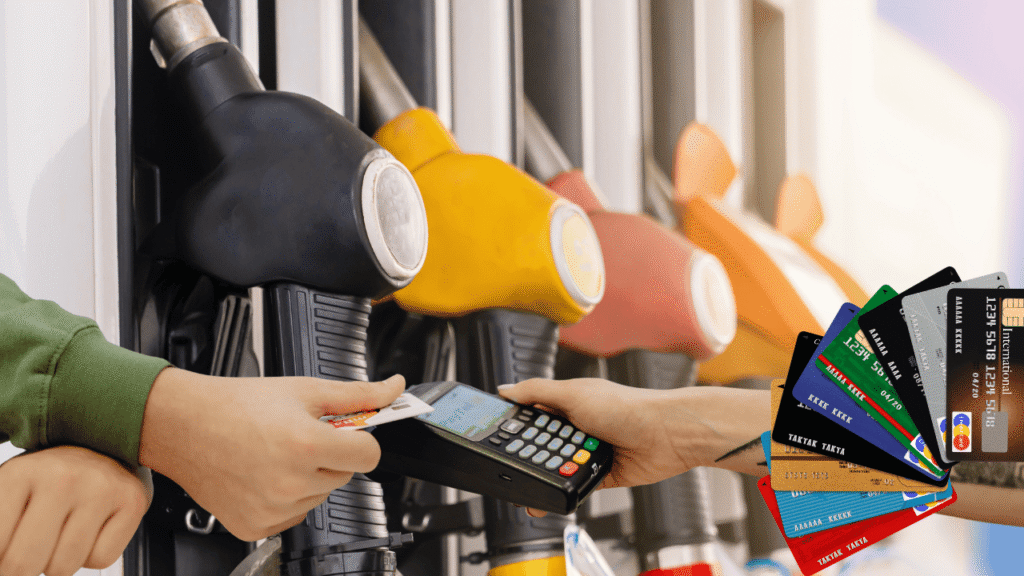
Fuel cards are a valuable tool for managing diesel purchases, tracking expenses, and controlling fleet fuel spending. However, if they are not used properly, certain transaction patterns can raise concerns during financial or operational reviews. Many companies overlook small issues that later turn into fuel card audit mistakes.
For fleet managers, understanding the most common fuel card mistakes can help prevent compliance issues and reduce the risk of financial audits. By maintaining clear records and carefully monitoring fuel purchases, companies can keep their fuel card programs running smoothly.
Table of Contents
Fuel Card Mistakes Fleets Should Avoid
Many fuel card audit mistakes occur due to inconsistent fuel tracking or missing documentation. Auditors and accounting teams often review fuel card transactions when verifying operational expenses.
Lack of Fleet Fuel Audit Compliance
One common issue is weak fleet fuel audit compliance. If fuel purchases do not match vehicle usage or driver logs, auditors may question the accuracy of expense records.
To maintain compliance, fleets should ensure:
- Fuel purchases align with trip records
- Drivers use assigned fuel cards only
- Transaction data is reviewed regularly
Consistent monitoring helps prevent suspicious activity and supports better operational transparency.
Missing Fuel Purchase Documentation
Another frequent cause of fuel card audit mistakes is incomplete fuel purchase documentation. Even though fuel card systems automatically record transactions, fleets still need organized reporting systems. Maintaining proper documentation ensures that every fuel purchase can be explained if questions arise during financial reviews.
Unusual Fuel Purchase Patterns
Auditors often look for patterns that do not match normal vehicle usage. For example:
- Fuel purchases far from expected routes
- Excessive fuel volumes for a specific vehicle
- Multiple transactions within a short time frame
These issues may signal inaccurate reporting or potential misuse.
Poor Fuel Card Transaction Monitoring
Strong fuel card transaction monitoring is essential for identifying unusual purchases early. Without regular monitoring, small issues can go unnoticed until an audit.
Modern fuel card platforms provide reporting dashboards that allow fleet managers to review transactions daily or weekly.
Inconsistent Driver Card Usage
Another common red flag occurs when drivers use fuel cards assigned to other vehicles or drivers. This can create confusion in fuel reports and increase the risk of compliance concerns.
Clear policies and regular monitoring help fleets avoid these fuel card audit mistakes.
How Fleets Avoid Fuel Card Audit Issues
Preventing fuel card audit mistakes requires proactive management and accurate recordkeeping.
Maintain Accurate Fuel Records
Fleets should ensure that fuel card transactions align with operational data, such as trip logs and vehicle mileage. This alignment strengthens financial records and helps fleets respond quickly if auditors request additional information.
Improve Fleet Fuel Fraud Prevention
Effective fleet fuel fraud prevention measures help companies detect irregular transactions early. Fleet managers often implement spending limits, driver identification systems, and transaction alerts. These tools help ensure that fuel purchases are legitimate and properly documented.
Prepare for Trucking Fuel Expense Audits
Regular internal reviews can help fleets stay prepared for potential trucking fuel expense audits. Reviewing transaction reports monthly allows managers to identify unusual patterns before they become larger issues. Proactive monitoring also helps fleets correct minor problems quickly.
Why Fuel Card Compliance Matters
Fuel purchases represent a significant portion of fleet operating expenses. As a result, fuel transactions are often reviewed during financial audits. Avoiding fuel card mistakes helps companies maintain accurate financial records and protect their reputation with partners, regulators, and financial institutions.
Fuel cards simplify diesel purchasing and provide valuable reporting tools, but they must be managed responsibly. By understanding the most common fuel card audit mistakes, fleets can strengthen their fuel management systems and reduce audit risks.
Consistent monitoring, organized documentation, and clear driver policies help ensure that fuel card programs remain efficient and compliant.
Looking for Smarter Fuel Card Solutions?
Visit getfuelcard.com, call +1 (905) 901-1601, or email hello@getfuelcard.com to explore fuel card programs designed to help fleets monitor fuel purchases, simplify expense tracking, and maintain stronger financial oversight across their operations.