
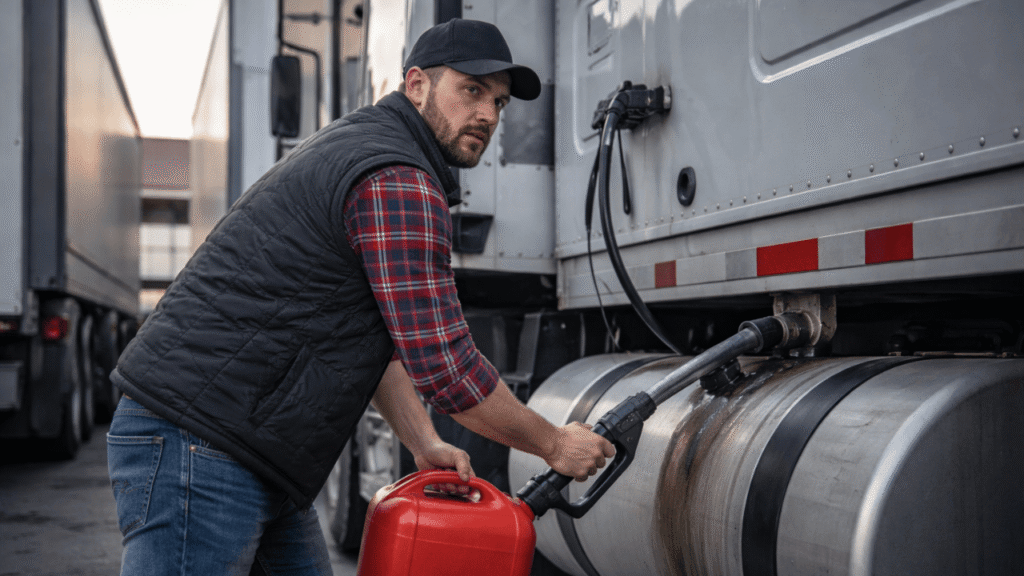
Fuel fraud is becoming a growing problem for fleet managers, transport companies, and businesses that use vehicles or equipment daily. Costs rise quickly when fuel goes missing or is used incorrectly, and operations suffer. What looks like a small loss at first can turn into a serious drain on your budget over time.
However, the right mix of policies, tracking, and daily oversight can help reduce fuel fraud. It’s easier to see warning signs early and do something about them before losses get worse, once you know how they happen.
Table of Contents
How to Detect Fuel Fraud in Fleet Operations
Fuel fraud often starts with small patterns that seem harmless, but they usually grow when nobody notices. A driver may fuel a personal vehicle with a company fuel card, make split transactions to bypass limits, or buy more fuel than a vehicle can actually hold. In other cases, thieves siphon fuel directly from the tank or tamper with return lines to collect fuel without raising attention.
Watch for Fuel Card Fraud and Internal Misuse
Fuel card fraud is another major issue. This can include cloned cards, card skimming, unauthorized purchases, phantom fill-ups, or repeated transactions within a short time. Internal misuse is also common, especially when businesses do not closely check fuel receipts, mileage, or vehicle activity. That is why fuel fraud should never be treated as only an outside threat.
Find Red Flags in Fuel Use Data
Several warning signs can help you spot fuel fraud early. Keep an eye out for sudden drops in fuel levels, unusual fuel use, gaps between purchase records and actual use, and fuel levels exceeding the tank’s capacity. Multiple fill-ups in a short period, missing odometer readings, route changes, vehicles moving at odd hours, and signs that the tank or fuel cap has been tampered with should also be cause for concern.
Keep an Eye Out for Suspicious Vehicle Activity
The best way to find out is to look at both the fuel and the vehicle data. It’s easier to spot suspicious behavior when you look at fuel transactions, GPS location, mileage, and driver activity all at once. Fleet managers can stop guessing and start making decisions based on real data when they can see this.
Use Real-Time Monitoring to Find Things Faster
Fleet managers can see more clearly and find fraud before losses grow by combining telematics with fuel monitoring tools.
Best Ways to Prevent Fuel Fraud and Fuel Theft
Here are practical steps businesses can take to reduce fuel fraud, prevent fuel theft, and build stronger accountability across their fleet operations.
Set a Clear Policy for Fuel
Make sure there are clear rules for using fuel cards, when you can fill up, and how to get a receipt. Every business should have a written fuel policy that says who can use fuel cards, where fueling is allowed, what records drivers must keep, and what happens if they misuse the cards. A clear policy makes things less confusing and helps everyone on the team be responsible.
Secure Fuel Tanks and Access to Vehicles
Lockable fuel caps, anti-siphon devices, safe parking areas, and visible security cameras can all help keep thieves from stealing before it happens. These basic controls are easy to use, but they are still important because many thefts occur when cars are parked overnight or in places where they can’t be seen.
Use Telematics and GPS Tracking
GPS tracking, telematics, fuel sensors, and fuel-monitoring software can all show you the current fuel levels, how much fuel is being used, when refueling happens, and what happens on the route. When fuel levels drop suddenly, or a car stops without warning, managers can receive alerts and investigate right away. This is why telematics is one of the best tools for managing fleets today.
Set Up Strict Controls on Fuel Cards
Set transaction limits, limit purchases by time or location, require driver or vehicle PIN verification, and regularly check statements.
Check Fuel Transactions Regularly
Regular audits help you compare receipts, mileage, and fuel use so you can spot problems before they become costly habits. When employees leave or change jobs, businesses should also deactivate cards that aren’t in use right away.
Train Drivers and Make them Responsible
Bad habits, not enough supervision, or workers not knowing what the company wants can all lead to fuel losses. Teach drivers how to use their fuel cards correctly, follow the rules of the road, drive safely, and report any suspicious behavior. When workers know the rules and know that systems are being watched, it’s harder to justify fraud and easier to stop it.
Why Fuel Fraud Prevention Matters for Your Business
Stopping fuel fraud does more than just save gas. It keeps your fleet’s operations in good shape. Fuel costs are already a big part of fleet spending, so even small changes can save a lot of money. Companies that cut down on theft, misuse, and waste usually have lower costs of doing business and better budget control.
Prevention also helps keep cars in better shape and safer. If someone puts a hole in a tank, breaks a fuel cap, or messes with the lines, the cost of fixing it could be much higher than the cost of the stolen fuel. Unnoticed tampering can also put drivers on the road at risk. You keep your team and your assets safe by finding problems early.
There is also a benefit for operations. Managers can make better business decisions, plan routes more effectively, reduce idling, and monitor driver behavior with accurate fuel data. Instead of waiting for losses to occur and then reacting to them, you set up a system that runs more smoothly every day. That is a better long-term plan for any business that wants to grow.
Fuel Fraud Prevention Starts with Better Visibility
Fuel fraud is expensive, annoying, and hard to find without the right systems in place. Fuel theft, siphoning, fuel card fraud, ghost transactions, and internal misuse are just some of the ways it can happen. Businesses that use telematics, clear rules, regular audits, and strong fuel monitoring can still lower their risk and protect their profits.
The best way to do this is simple: know what normal fuel activity looks like, keep a close eye on exceptions, and act quickly if something doesn’t match. You have more control when you can see better. That’s how smart fleet management makes preventing fuel fraud a daily business benefit.
Need Help Protecting Your Fleet?
Whether it is fleet tracking, compliance support, or solutions that improve fuel monitoring and operational control, GetFuelCard is here to help. Reach out to us at getfuelcard.com, call +1 905-901-1601, or email hello@getfuelcard.com for trucking-related services.