
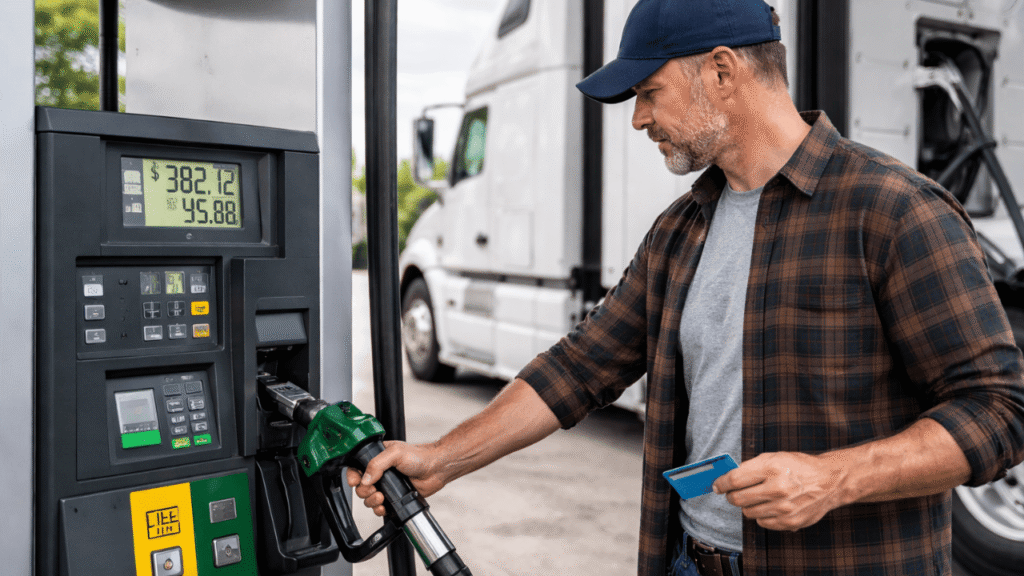
Managing a fleet is expensive, and fuel is almost always the biggest line item on the budget. Whether you’re running five trucks or fifty, fuel costs can spiral out of control without the right systems in place. That’s exactly why more fleet managers are turning to fuel cards, not just as a payment method, but as a full-scale fleet management solution. Understanding how fuel cards improve fleet efficiency can change the way you run your entire operation.
Table of Contents
The Real Problem with Traditional Fuel Management
Too many fleets still rely on outdated methods. Despite the growing use of digital tools, 25% of fleet managers still track fuel expenses using spreadsheets, and another 25% record expenses by hand. That’s a lot of manual work that leaves room for errors, missed deductions, and unchecked spending.
Paper-based systems can’t catch unauthorized purchases in real time. They can’t tell you which driver is idling too long or which route is burning more fuel than it should. Fuel cards solve all of that, and then some.
Real-Time Fuel Purchase Tracking That Actually Works
One of the most immediate benefits of fuel cards is the visibility they provide. Whenever a driver makes a fuel purchase, Level III data is recorded in a fleet card dashboard and made available immediately, including date, time, and location of every transaction, driver IDs, vehicle IDs, odometer readings, fuel brand and grade, purchase volume, and itemized totals.
That level of detail eliminates guesswork. Fleet managers can see exactly what’s happening across their entire fleet without waiting for the end of the month or chasing down receipts. This kind of real-time fuel purchase tracking is the backbone of smart driver fuel tracking and smarter operational decisions.
Fuel Expense Control Through Smart Spending Limits
Fleet managers can directly control how, when, and where drivers spend with fuel cards. You can fully customize modern fleet cards. For example, you can set spending limits for each transaction, limit purchases to fuel only or specific approved vehicle maintenance, and make sure drivers only fill up during authorized shift windows.
You can also restrict fueling to specific product types, such as diesel-only, set time-of-day windows, or cap dollar amounts per transaction or per day, helping curb unauthorized use, reduce fraud risk, and maintain a disciplined approach to fuel budgeting.
This kind of fuel expense control doesn’t just protect your budget; it also helps you save money. It also removes the gray areas that lead to misuse, which is a quiet but costly problem in many fleets.
How Fuel Cards Support Fleet Fuel Management at Scale
Fleet managers overwhelmingly agree that fuel cards provide valuable insights into a fleet’s efficiency, making them a top tool for data-driven decision-making beyond just transaction tracking.
The information from fuel cards is directly related to larger plans for managing fuel for the whole fleet. Analytics show spending patterns, fuel efficiency trends, and cost allocation by driver, vehicle, or route. Custom reports are made right away instead of having to be made by hand, giving managers immediate information for making decisions about operations.
This kind of automated reporting is a game-changer for big fleets that have to deal with a lot of data. It changes what used to be a messy month-end reconciliation into a process that is easy to handle.
Driver Behavior and Fuel Optimization
Here’s something fleet managers often overlook: fuel cards don’t just track where money goes; they help change how drivers behave behind the wheel. When combined with telematics, fuel cards become tools for tracking driver behavior, such as speed, idle time, and route deviations. With vehicle-specific information and fleet card data, businesses can identify costly habits and coach employees to improve.
Aggressive acceleration, excessive idling, and inefficient routing all burn more fuel than necessary. When managers can see this data in real time and address it with drivers directly, the savings compound quickly. Even small behavioral changes, like reducing idle time by just 10 minutes per day, can add up to substantial annual savings.
This is where fuel cards cross from payment tool into fleet performance improvement territory.
Trucking Fuel Savings Through Discounts and Rebates
Beyond operational gains, fuel cards also deliver direct savings on trucking fuel at the pump. Fleet cards deliver immediate savings through negotiated fuel discounts of $0.01 to $0.15 per gallon, based on purchase volume and network participation.
Some programs go even further. Broad network acceptance, with cards accepted at 95% of U.S. gas stations, helps drivers avoid unnecessary detours to find fuel, increasing overall productivity while reducing time spent off-route.
For trucking operations running on tight margins, these savings add up fast over thousands of gallons a year.
Fleet Productivity Gains That Go Beyond the Pump
The efficiency gains from fuel cards don’t stop at fuel. Modern fuel cards address a wide range of financial and operational concerns, from enabling better expense tracking (cited by 49% of fleet managers) to improving budgeting and cost forecasting (47%) and reducing administrative workload for fuel expense management (37%).
When your drivers aren’t collecting paper receipts, and your back-office team isn’t manually entering data, everyone gets time back. That’s a direct boost to fleet productivity that shows up everywhere, from dispatch scheduling to financial reporting.
Making the Switch: What to Look For
Not all fuel cards are built the same. Look for programs that offer real-time alerts, Level III data capture, telematics integration, and flexible spending controls. The best fleet management solutions bring all of these features together in one platform, giving you a clear picture of your fleet’s performance without adding more work to your day.
By regularly reviewing fleet card reports, companies can forecast future spending, evaluate the ROI of eco-friendly driving programs, and make informed decisions on vehicle upgrades or routing changes, transforming what was once a static operating cost into a dynamic area of savings and strategy.
Want to Know More on How Fuel Cards Improve Fleet Efficiency?
Fuel cards can help your fleet monitor fuel purchases, control expenses, and gain valuable insights into operational performance. With the right tools in place, businesses can improve efficiency while reducing fuel costs.
If you want to learn how fuel cards improve fleet efficiency and strengthen your fleet management strategy, our team is ready to help.
Visit getfuelcard.com, call +1 (905) 901-1601, or email hello@getfuelcard.com to discover fuel card solutions designed to help fleets manage fuel expenses and operate more efficiently.