
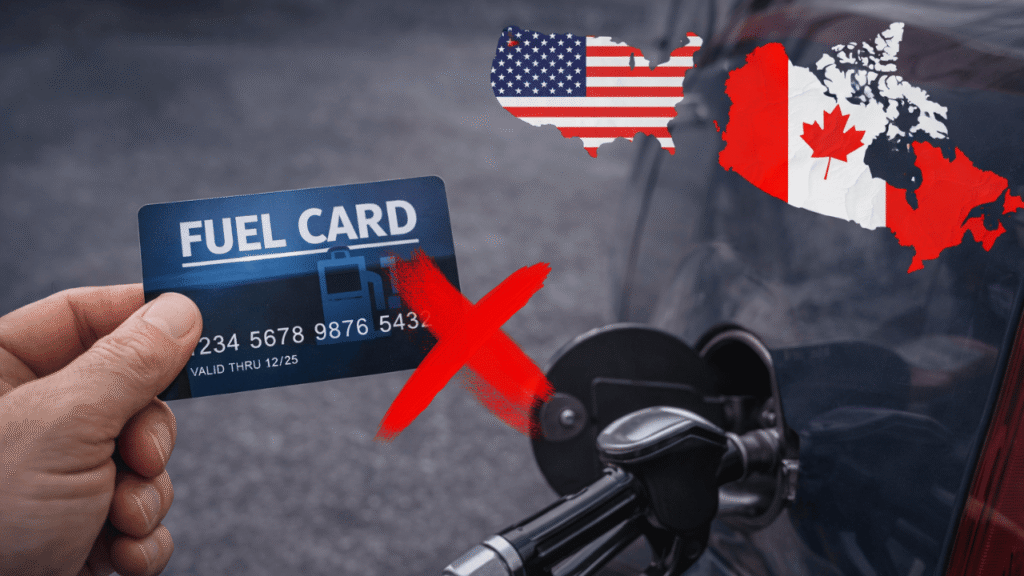
Fuel cards have become an essential tool for trucking companies. They simplify fuel purchases, provide access to discounts, and help businesses track fuel spending across multiple drivers and vehicles. However, when fleets fail to manage them properly, fuel card mistakes can quickly lead to unnecessary expenses and operational issues.
Many companies adopt fuel cards in the hope of achieving instant savings. While the potential benefits are significant, poor oversight or weak policies can reduce their effectiveness. Understanding the most common fuel card mistakes can help fleets avoid financial losses and improve overall fuel management.
In this article, we’ll explore the errors trucking companies often make when using fuel cards and how to prevent them.
Table of Contents
Common Fuel Card Mistakes Fleets Make
One of the biggest reasons fleets lose money with fuel cards is a lack of clear policies and monitoring systems. Without proper oversight, small inefficiencies can gradually turn into costly problems.
Allowing Fuel Card Misuse
One of the most common fuel card mistakes is misuse. When fleets issue cards to drivers without clear guidelines, unauthorized purchases can occur.
For example, drivers may use the card for non-approved purchases or fuel vehicles that are not part of the fleet. These small incidents may seem minor individually, but over time, they can significantly increase operational costs.
To prevent this, companies should establish clear fueling policies. This includes defining where drivers can fuel, what purchases are allowed, and how transactions will be monitored.
Lack of Monitoring for Trucking Fuel Expenses
Fuel is one of the largest operational costs in transportation, yet many fleets fail to review their trucking fuel expenses regularly. Without reviewing transaction reports, companies may overlook unusual purchases or inefficient fueling patterns.
For example, a driver might consistently refuel at higher-priced stations rather than at locations offering better rates. Without monitoring reports, fleet managers may never notice these patterns.
Regularly reviewing fuel transactions helps fleets detect issues early and maintain better financial control.
Weak Security Controls
Another common fuel card mistake is failing to implement proper security measures. Without safeguards, fuel cards can become vulnerable to fraud or unauthorized transactions.
Basic security features such as driver PINs, purchase limits, and location restrictions can significantly reduce risk. These controls help ensure that cards are used only for legitimate fleet fuel purchases.
Fuel Card Management Mistakes Trucking Companies Should Avoid
Beyond basic misuse, several management errors can limit the effectiveness of fuel cards. Avoiding these fuel card management mistakes can help fleets maximize the value of their fuel programs.
Ignoring the Risk of Fleet Fuel Fraud
Fuel fraud is a growing concern across the trucking industry. When fleets fail to monitor transactions, fleet fuel fraud can go undetected.
Fraud can take many forms, including:
- Drivers fueling personal vehicles
- Sharing fuel cards with unauthorized users
- Reporting incorrect fuel quantities
Without monitoring systems in place, these activities may continue for long periods before they are discovered.
Fuel cards that include transaction alerts and purchase reports help managers detect suspicious activity more quickly.
Not Following Fleet Fuel Management Tips
Many fleets adopt fuel cards but fail to implement basic fleet fuel management practices to maximize savings.
For example, companies should regularly analyze fuel reports to identify inefficient fueling behavior. Drivers should also receive training on company fueling policies and how to use fuel cards correctly.
Establishing clear procedures helps ensure fuel cards are used as intended and reduces the risk of unnecessary spending.
Poor Fuel Cost Control Strategies
Another major mistake is failing to use fuel card data to improve fuel cost control. Modern fuel cards provide detailed insights into fueling habits, vehicle performance, and station pricing.
However, some fleets overlook this data, missing opportunities to improve efficiency.
By analyzing fuel reports, fleet managers can identify patterns such as vehicles with higher fuel consumption or routes that require frequent refueling. Addressing these issues can lead to meaningful long-term savings.
How Fleets Can Prevent Costly Fuel Card Mistakes
Avoiding fuel card mistakes requires a combination of good policies, monitoring tools, and driver accountability. When fleets actively manage their fuel card programs, they can significantly reduce the risk of overspending or fraud.
Here are several practical steps fleets can take:
Establish Clear Fuel Policies
Drivers should understand exactly how and where fuel cards can be used. Clear policies help prevent confusion and reduce misuse.
Policies may include guidelines such as:
- Approved fueling locations
- Daily or weekly fuel limits
- Required receipt documentation
These rules create structure and accountability within the fleet.
Monitor Fuel Transactions Regularly
Fuel card systems provide detailed transaction data that can reveal important trends. Reviewing these reports regularly helps fleet managers identify irregular activity or inefficient fueling behavior.
Monitoring fuel usage also helps fleets ensure that vehicles are operating efficiently.
Train Drivers on Proper Fuel Card Use
Driver education plays an important role in preventing fuel card mistakes. When drivers understand company policies and fueling procedures, they are less likely to make costly errors.
Training should cover proper fueling practices, security guidelines, and reporting procedures.
Turning Fuel Cards Into a Cost-Saving Tool
Fuel cards can deliver major financial benefits when used correctly. They provide access to fuel discounts, improve spending visibility, and simplify expense tracking.
However, these benefits depend on proper management. By avoiding common fuel card mistakes, fleets can maintain better control over fuel spending while protecting their operations from fraud and inefficiencies.
With the right policies and monitoring systems in place, fuel cards can become one of the most effective tools for managing fuel costs in the trucking industry.
Improve Your Fleet Fuel Strategy
Fuel cards are designed to help fleets operate more efficiently, but their value depends on how they are managed. By understanding and avoiding common fuel card mistakes, trucking companies can protect their budgets and improve their fuel management strategies.
Implementing strong policies, monitoring transactions, and using fuel data effectively can significantly improve overall fleet performance.
Need Help Choosing the Right Fuel Card?
Reach out to us at getfuelcard.com, call 905-901-1601, or email hello@getfuelcard.com if you need help finding the right fuel card solution. Whether you’re looking for better fuel discounts, improved fuel tracking, or smarter fleet payment tools, our team can help you choose a solution that fits your trucking business.